I met a friend for a later-than-usual dinner a couple of weeks ago and we were laughing at how incredibly sleepy we both were given that it now becomes pitch black by 5pm in the Bay Area.
The short winter days can make for sleepier evenings, lethargic days, and even Seasonal Affective Disorder (SAD) in patients prone to it.
Bright light therapy, medications, and other conventional treatments are effective for SAD.
But one of the missing pieces is embracing seasonal shifts.
In our modern world, we expect ourselves to maintain the same productivity, energy, and sleep patterns all year round.
Meanwhile, nature does the opposite, as trees become bare, animals hibernate, and the stars come out to say hello in the early evening hours.
I love embracing the Scandinavian concept of “hygge”, with cozy evenings, twinkle lights, homemade soups, a good book and a soft blanket.
Pair that with a purposeful dose of daytime bright light by going for a walk outside, preferably out in nature, my favourite being a brisk midday stroll on the beach.
It often does more than people expect.
But, back to bright light therapy which is one of the most underutilized tools in the clinical toolbox.
Bright light therapy (BLT) is:
- Also called phototherapy
- It’s a non-pharmacologic treatment for sleep and depressive disorders
- It involves daily exposure to bright light and is typically administered with a light therapy device (light box, wearable, or dawn simulator)
Bright light therapy was originally used to treat seasonal affective disorder (SAD). Now it’s also used in the treatment of non-seasonal depression, bipolar depression, fatigue, insomnia, and circadian rhythm disorders.
If you see patients with insomnia, depression, or fatigue, it’s a good idea to learn how to prescribe bright light therapy. See my video here for an in-depth tutorial:
Some clinical pearls to get you started:
- 10,000 lux for about 30 minutes in the morning is still the gold standard. You’ll also see older protocols using 2,500 lux for 2 hours, also effective but less convenient. (1)
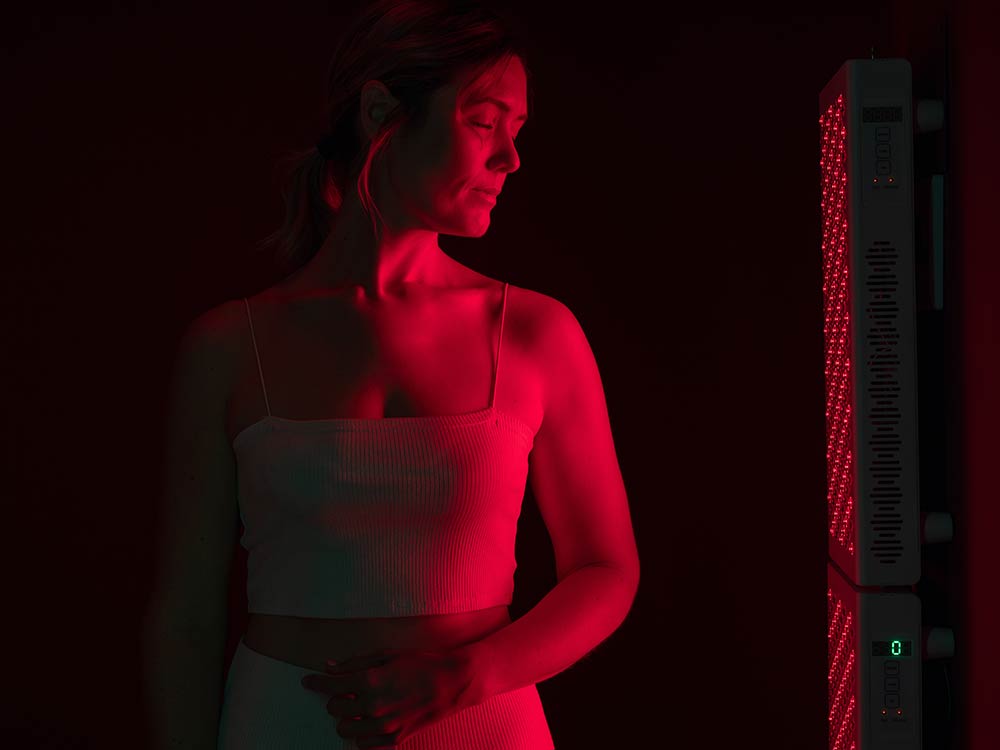
- Blue light devices can work at much lower intensities, and newer studies show green light may help too, but white light still comes out on top in meta-analyses. Red light is shown to be ineffective for SAD. Ensure the device has a UV filter.
- Light therapy is most effective first thing in the morning. It needs to hit the retina (not the skin), so position the device at eye level.
- Traditional light boxes have the longest and strongest evidence base, but the wearable visors/glasses can be just as effective for people who need portability. The ReTimers here are an example. (Disclosure: This is an affiliate link.) https://shareasale-analytics.com/r.cfm?b=2448501&u=3028033&m=148943&urllink=&afftrack=&shrsl_analytics_sscid=81k8%5Fo0ome&shrsl_analytics_sstid=81k8%5F1we5t
- Most people start to feel better within one week, and response rates can reach ~80% when the protocol is followed correctly. Side effects are usually mild (eye strain, headache, nausea).
I still recommend that my patients go outside for a dose of natural sunlight in the morning and midday hours, while integrating bright light therapy devices into the treatment plan.
References
Galima SV, Vogel SR, Kowalski AW. Seasonal Affective Disorder: Common Questions and Answers. Am Fam Physician. 2020 Dec 1;102(11):668-672. PMID: 33252911.