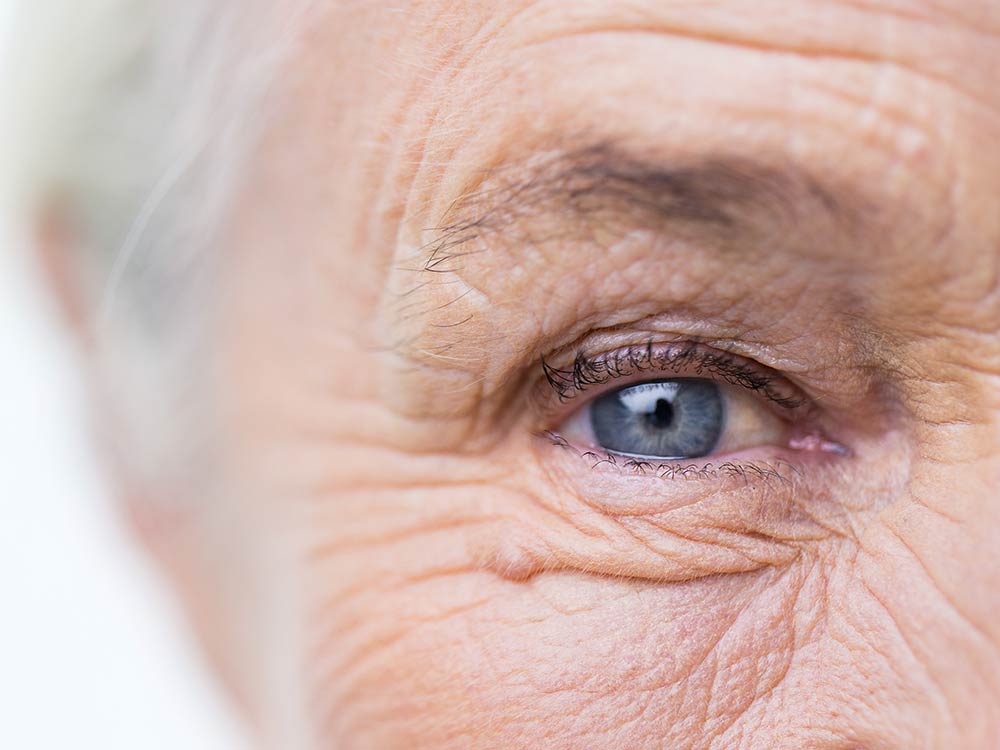
I was getting my hair and makeup done at the Psychiatric Times studio in New Jersey before filming a segment on narcolepsy, when the makeup artist asked, “Wow, you have amazing lashes! Do you use a serum?”
I laughed, “Well… it’s just my glaucoma medicine.”
Because of a family history of glaucoma, I’m on latanoprost eye drops to keep my eye pressures down, and the main side effect is excessive eyelash growth.
Fun fact: it has similar ingredients to Latisse, the eyelash growth serum.
When my intraocular pressure started creeping up, I also got myself tested for sleep apnea.
As a sleep doc, I know the link between sleep apnea and glaucoma…but unfortunately, sleep apnea screening isn’t yet routine in glaucoma care.
We don’t usually connect sleep and eye health. But we should.
In this week’s conversation, I spoke with Dr. Neda Gioia (pronounced “Joya”), optometrist and functional medicine practitioner, about the surprising and under-discussed link between sleep quality and vision.
It turns out your sleep habits may play a much bigger role in eye disease than we realize.
How Sleep Affects Eye Health
Poor sleep increases oxidative stress and systemic inflammation, both of which are risk factors for:
- Dry eye disease
- Glaucoma
- Retinal degeneration
Untreated sleep issues like sleep apnea can worsen eye health. Yet, there isn’t enough collaboration between eye doctors and sleep specialists.
The eye’s tiny blood vessels are vulnerable to inflammation, acting like a “canary in the coal mine” for systemic problems.
Dr. Gioia takes a functional medicine approach to eye care…getting curious about nutrition, sleep, stress, and even trauma.
She’s not just treating symptoms; she’s looking under the hood to see why inflammation is there in the first place, and addressing it with her 5 Pillars of Eye Health.
It’s a refreshing and fascinating expansion of the current model of eye care – certainly not one that I’ve experienced in my personal healthcare journey.
What You Can Do Right Now
For clinicians:
- Ask about sleep duration, timing, and quality
- Consider sleep evaluations for patients with chronic eye conditions
- Remind your patients to get regular eye exams
For you:
- Get your yearly eye exam…and consider a sleep study if you have high eye pressures
- Prioritize sleep just as you would your blood pressure or diet…it’s all connected
Dr. Gioia explains:
- The link between sleep apnea and glaucoma
- The impact of blue light on eye health
- Specific nutrition tips for the eyes (I’m definitely going to start incorporating these)
- Pillars of Eye Health
- The dry eye and sleep connection
- Insomnia, shift work, and eye health
And a lot more…