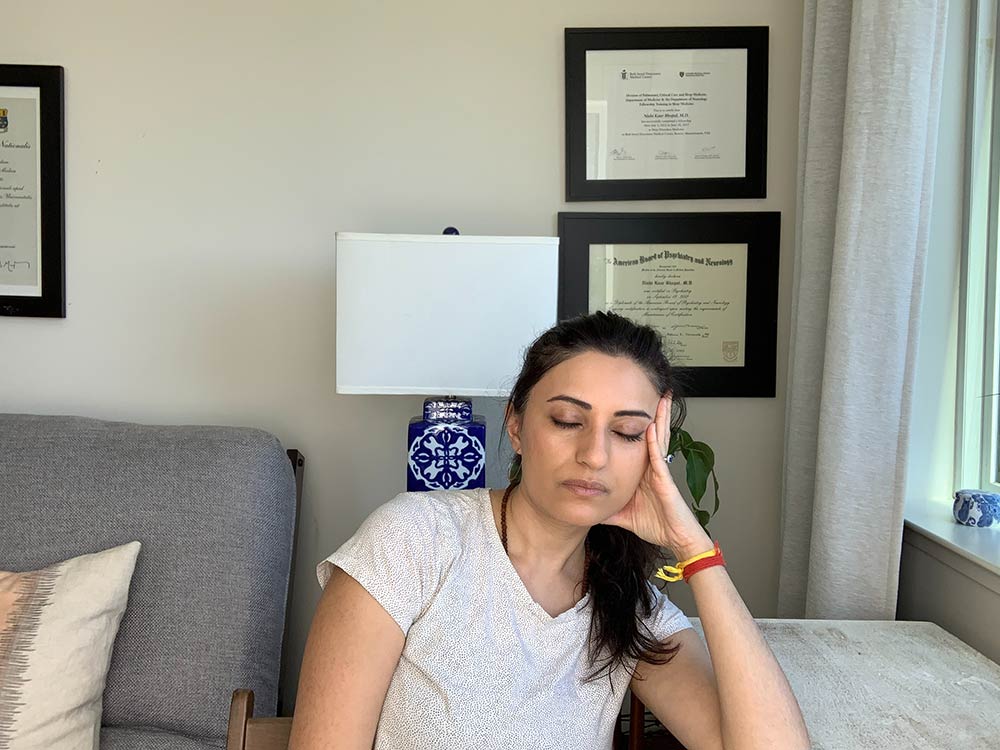
4 Foods That Increase Melatonin
Posted on September 21, 2020 by IntraBalance - Diet & Digestion, Sleep Health
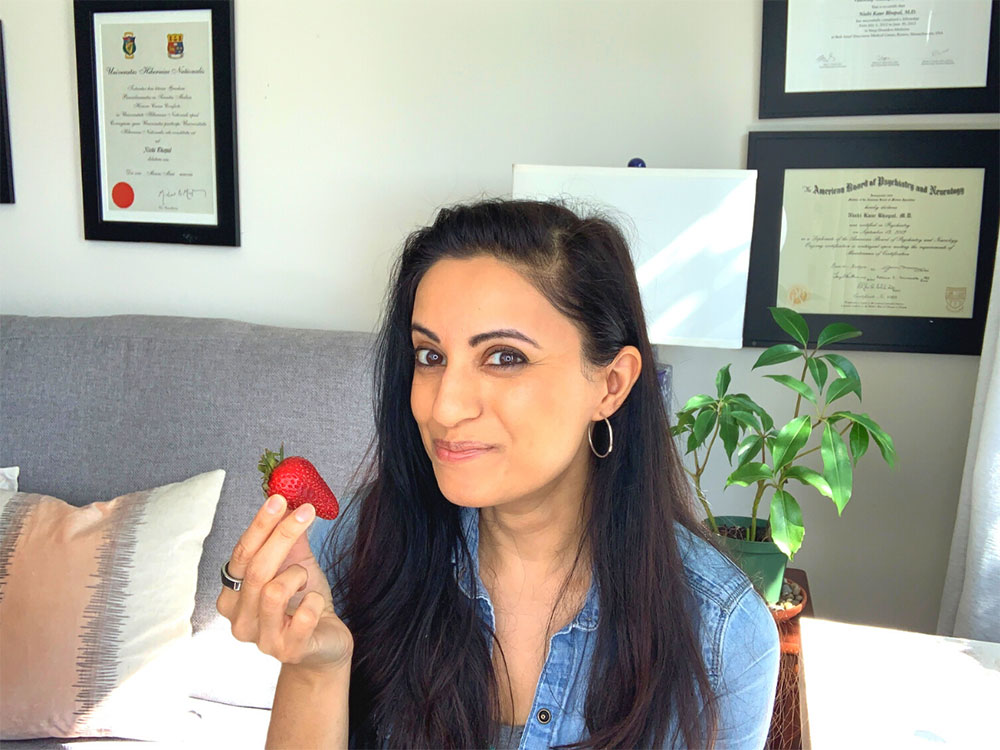
Melatonin is a hormone that helps with sleep and multiple other functions in the body. In this video, we’ll look at four food sources that can help boost your body’s production of melatonin and get a better night’s sleep.
Posted on September 5, 2020 by IntraBalance - Sleep Health

Do you have trouble getting up in the morning? Do you keep hitting the snooze button until you finally have to drag yourself out of bed?
That was me all throughout university and medical training. It’s one of the reasons I became so interested in sleep science and became a sleep specialist.
The good news is that you don’t have to become a sleep specialist to make your mornings go more smoothly. Here are a few simple tricks can make it easier for you to get up and get going.
This might sound counterintuitive — isn’t the point to get up earlier? Setting your alarm for too early disrupts those precious moments of REM sleep we get in the hourly hours of the morning. This will make you even more foggy and tired in the morning. If you’re one of those people who sets your alarm for one or two hours ahead of your required wake time, try this: allow yourself to sleep a little longer and set your alarm for a more reasonable time, within 15 minutes of the time you actually need to get up.
As soon as your alarm goes off, reach over to open up the blinds or curtains, or switch on the lights to full brightness. Think of bright light as nature’s alarm clock. A good dose of bright light in the morning will put a stop on your brain’s secretion of melatonin and help to reset your body clock (circadian rhythm). If you really want to get your circadian rhythm on track, do this at the same time every morning.
Stretching first thing will help get the blood flowing and wake up your muscles. If your body feels really heavy, simply sit up with your spine straight. Next, add on a stretch or two. Start by raising your arms over your head, reaching toward the ceiling. Then, stretch forward in a child’s pose while you’re still in bed. The act of sitting up and moving is another way to signal to your brain that it’s time to wake up and will help reset the circadian rhythm.
Many of us tend to grab our phones first thing in the morning and start scrolling through the news or emails. Not only would this make a person not want to get out of bed, it also sets the tone for the day by affecting motivation, stress levels, and mood. Listening to upbeat music helps to reduce blood pressure and levels of the stress hormone cortisol, and will give you a little boost of motivation to get up.
Are you a member of the “don’t talk to me until I’ve had my coffee” tribe? Whether you tend to start your day with a cup of coffee or a green smoothie, I always recommend having a glass of water first. Approximately 60% of the body is composed of water and we need to stay hydrated to keep our organs functioning optimally. Overnight, we naturally become dehydrated, which contributes to feelings of fatigue and lethargy. Keep a bottle of water on your nightstand and enjoy a refreshing drink of water before you even get out of bed.
Want to learn more about sleep optimization? Click here to get my FREE sleep guide.
Posted on September 4, 2020 by IntraBalance - Sleep Health
If you have trouble sleeping, going to bed can start to feel overwhelming and sometimes downright stressful. There’s so much information out there about supplements and pills for insomnia, cutting down on caffeine, finding the perfect mattress, not watching TV in bed, getting the right kind of noise cancelling ear plugs, and so on. Although some of these things can help, it won’t do any good unless you understand why you’re not sleeping in the first place.
Whenever I see someone in my practice for sleep issues, the first thing we try to figure out is what’s causing their difficulty sleeping. Until we understand that, focusing on sleep hygiene measures can feel like an endlessly frustrating game.
This is one of the most common causes of insomnia, it both precedes and perpetuates sleep problems. Stress leads to a state of “hyperarousal”. Think of this as your nervous system in overdrive. Physical symptoms of hyperarousal include shortness of breath, heart palpitations, or feeling “wired” or edgey. Hyperarousal is also associated with cognitive symptoms like excessive worrying, ruminating, or an inability to turn your mind off when you go to bed. When left untreated, stress then leads to anxiety about not sleeping, which then feeds into the sleep issues. The act of going to sleep then shifts from a passive to an active process. This is why trying to use sleep medications, substances, cocktails of sleep supplements for stress-related insomnia don’t work in the long run, because they only address the physical symptoms of insomnia without actually dealing with the root cause.
Our internal body clock, called the circadian rhythm, regulates our sleep-wake patterns. Going to bed and waking up at different times everyday confuses the body clock and contributes to insomnia and poor sleep quality. It creates a jet lag-like state called social jet lag. Shift workers are at particular risk of this. Irregular sleep times lead to issues with feeling heavy or foggy, getting sleepy at the wrong times, or feeling “wired but tired”. Realigning the body clock to ensure that it is on a regular schedule and aligned with our body’s “sleep drive” is a crucial step in restoring healthy sleep.
A “night owl” sleep pattern is a common sleep issue that is often misdiagnosed as insomnia. Around the time of puberty, melatonin secretion is delayed by 2 hours. DSPS causes an inability to fall asleep, but once asleep, people sleep well and tend to wake up too late. This explains why lots of teenagers and young adults have so much trouble getting to sleep on time and then getting up for class. Many people grow out of this as adults, but it may persist into adulthood. DSPS is often misdiagnosed as depression, ADHD, chronic fatigue syndrome, or fibromyalgia, and people may be prescribed medications unnecessarily.
Obstructive Sleep Apnea (OSA). This is a condition that affects nearly 1 billion people worldwide. It’s estimated that in North America, up to 30% of males and up to 15% of females have OSA. It affects all genders, ages, and body types, from infants to the elderly. Signs and symptoms include snoring, waking up with dry mouth or a headache, restless sleep, teeth grinding, jaw clenching, mouth breathing, unrefreshing sleep, choking or gasping in sleep, and difficulty falling or staying asleep. Left untreated, OSA can cause long term sleep issues, difficulty losing weight, anxiety, depression, ADHD-like symptoms, and even cardiovascular issues like high blood pressure, heart disease, and increased risk of stroke.
At IntraBalance, we specialize in finding the root cause of your sleep problems and providing you with effective and personalized interventions to sleep better and wake up feeling refreshed.
If you want to learn more about how to optimize your sleep, get our FREE sleep guide.
Posted on September 4, 2020 by IntraBalance - Sleep Health
Every living creature, from deep sea fishes to microscopic single-celled terrestrial organisms, has an innate biological clock. For us surface dwellers, our rhythms undulate to the beat of the earth’s dark and light cycles.
Light is the most powerful zeitgeber, or time giver, that regulates the internal clock. In this era of breaking news and binge watching, we are bombarded with constant exposure to artificial light, resulting in disruption of our natural body rhythms.
Disturbances in the circadian rhythm can result in metabolic diseases, obesity, cancer, and mental health disorders. Despite the growing appreciation of chronobiology, circadian disorders are frequently missed in clinical practice.
Delayed Sleep Phase Syndrome (DSPS), also known as Delayed Sleep-Wake Phase Disorder, is one of the most commonly encountered circadian rhythm disorders in clinical practice and is often misdiagnosed as sleep-onset insomnia. DSPS should be suspected in those who complain of consistent patterns of sleep onset significantly later than the desired or conventional time. Patients with DSPS may also complain of problems with social and occupational functioning such as chronic tardiness to work or school, impaired academic or work performance, conflicts with parents or partners regarding wake time, and sleep deprivation. Common psychiatric comorbidities include depression, seasonal affective disorder, bipolar I disorder, obsessive compulsive disorder, and attention deficit hyperactivity disorder. A higher degree of circadian misalignment may be correlated with more severe depression and poorer response to treatment with antidepressant medications. Furthermore, it has been shown that patients with DSPS have a threefold higher prevalence of comorbid seasonal affective disorder compared to controls.
So, how do we differentiate DSPS from insomnia? A good clinical history is the cornerstone of psychiatric diagnosis and the diagnosis of DSPS is no different.
Diagnostic criteria according to the third edition of the International Classification of Sleep Disorders (ICSD-3) is as follows:
Zeitgebers and lifestyle should be also assessed including use of caffeine and stimulants, diet, the timing of meals, exercise, work/school/activity schedules, evening light exposure, and use of screens. Sleep diaries are useful adjunct to the clinical history and are recommended to evaluate the sleep schedule. The AASM sleep diary is free to download and provides two weeks’ worth of data. Actigraphy provides an accurate measure of sleep-wake cycles but may not be readily available in clinical practice. Polysomnography is not indicated unless there is clinical suspicion for another sleep disorder such as obstructive sleep apnea.
Once a diagnosis is established, behavioral modifications should be initiated in order to facilitate advancement of the circadian phase. Patients should be advised to minimize use of stimulants, avoid daytime naps, reduce light and screen exposure in the evenings, and avoid stimulating activities at least 2 hours before the time of desired sleep onset. Along with behavioral changes, melatonin and light are powerful body clock regulators that may be considered in the treatment plan. Short-term (<3 months) use of melatonin at a dose of 0.5mg, timed strategically 1.5 to 2 hours before the desired time of sleep onset can “pull” sleep earlier. Morning light therapy with a light box is effective for “pushing” back the wake time. It is recommended that patients start with using the light box at their natural wake time, then advance use of the box by 15 to 30 minutes each morning until the target wake time is reached. Use of hypnotics or sleep aids is not recommended. Consistency in following these strategies is the key to successfully shifting the sleep-wake cycle to align with one’s work or school schedule.
By recognizing and treating circadian rhythm disorders, we can help improve quality of life, reduce the risk of medical and psychiatric comorbidity and restore a natural, balanced body rhythm. Now, that’s something that will help us all sleep better at night.
Source: Psychiatry Network
Read the full article -> The Sleep Disorder You Might Be Missing
Want to get better sleep? Click here for our FREE sleep guide.
Posted on August 31, 2020 by IntraBalance - Sleep Health
Difficulty with sleep and insomnia doesn’t have to be overwhelming. Figuring out the root cause of the sleep issues is the first step in getting restful sleep. In this video, we’ll look at 4 common causes of sleep issues.
Posted on August 23, 2020 by IntraBalance - Sleep Health
At IntraBalance Integrative Psychiatry & Sleep, we specialize in getting to the root of cause of sleep issues, helping you find rest and restore balance. Holistic. Science-based. Personalized care. Proven results.
Posted on August 23, 2020 by IntraBalance - Productivity, Sleep Health
At IntraBalance Integrative Psychiatry & Sleep, we specialize in helping high performers reduce stress, improve mood, and optimize performance using a holistic, science-base, personalized approach. Compassionate care. Proven results.
Posted on August 17, 2020 by IntraBalance - Sleep Health
Do you have trouble getting up on time in the morning? In this video, I’ll share 5 things you can do, before you even get out of bed, to wake up more easily in the morning.
Posted on July 24, 2020 by IntraBalance - Sleep Health
The quality of sleep we obtain during the night affects how we feel during the day, our mood, and our emotional and mental well-being. However, issues we may have during the day can be misdiagnosed as other conditions even though they may be caused by sleep disorders.
Sleep disorders are actually more common than people imagine. The American Sleep Association claims that between 50 and 70 million adults in the US are affected by sleep disorders. Unfortunately, many sleep disorders share symptoms with other more commonly known conditions. By learning more about specific sleep disorders, you’ll be in a better position to judge your symptoms accurately and address the root cause of the issues you encounter. And in a short period of time, you’ll be able to return to a healthy sleep schedule.
Sleep apnea is characterized by the blocking of breathing pathways in the body while someone is sleeping. They’re not blocked all the way, of course, but enough to cause an individual to snore, take breathing pauses, or even gasp for breath. Like many sleeping disorders, sleep apnea makes it difficult to have a good night’s sleep which then causes issues like mood swings, irritability, fatigue, and problems with attention and concentration. These last few symptoms are often confused with ADHD symptoms and can lead to a misdiagnosis.
Experts agree that ADHD is overdiagnosed. On the other hand, sleep apnea is underdiagnosed and can mimic symptoms of ADHD. There are some simple and advanced treatments available for sleep apnea, received after a diagnosis is obtained through a comprehensive examination.
Do you go to bed but stay awake for hours before falling asleep? Do you not feel tiredness set in until the early hours of the morning and then have trouble dragging yourself out of bed in time for work? Many people who report this issue to their doctors call it insomnia. However, there’s another sleep disorder that is very similar: Delayed Sleep Phase Syndrome (DSPS) that may be left undetected.
With DSPS, a person does have issues falling asleep, but once they do, they find that they’re able to get normal, good-quality sleep. Usually, a person with DSPS has their circadian rhythm off or delayed, and this is what causes the issue with falling asleep. Doctors will tell you that your body is on time, it’s just not on time with everyone else!
The misdiagnosis comes in when it’s time to wake up. People with DSPS may still have to wake up early for work or school, and if they weren’t able to fall asleep when they went to bed, they probably didn’t get enough sleep, leading to the symptoms we know to associate with insomnia.
Restless Leg Syndrome (RLS) causes strange feelings in the leg and sudden urges to move them. It’s classified as a sleep disorder because most people present with more extreme symptoms at night.
RLS can cause many symptoms similar to anxiety. It can affect your concentration, memory, mood, performance at work or school, and your personal relationships. Because anxiety is more well-known and easier to understand, RLS is often treated as anxiety, and the symptoms remain because the root cause is not properly addressed. One specific cause of RLS may be undiagnosed iron deficiency. While there’s no cure for RLS, there are therapies and treatments to minimize symptoms.
Narcolepsy is characterized by heavy drowsiness during the day or overwhelming sleep attacks. It is thought to be an incurable sleep disorder, but due to its similar symptoms of drowsiness and weariness, oftentimes narcolepsy is misdiagnosed. Narcolepsy may present as fatigue and low motivation, which may be mistakenly diagnosed as depression or another mood disorder.
Another major misdiagnosis is between narcolepsy and epilepsy. The sudden paralysis that causes muscles to weaken and people to fall asleep during narcolepsy may be mistakenly diagnosed as seizures. The best way to find out if you have narcolepsy is to see a physician who specializes in sleep disorders, where a sleep study might be required.
Having read the entries above, it is no secret that many mental health issues and sleep disorders share symptoms. In other words, where a mental health issue may present itself, you may actually be experiencing a symptom of a sleep disorder. Furthermore, many mental health issues themselves could be products of poor nutrition and diet, and issues with the gut-brain axis.
Just like sleep, our diet is a major part of our lives. You are what you eat, as the old adage says, and it’s literally and figuratively true. Poor diets and problems with the gut can cause or increase symptoms of anxiety or depression, along with other mental health issues. However, an optimized diet and healthy digestion can do the opposite—it can relieve a person of those symptoms.
One of our specialties here at IntraBalance is treating sleep disorders as well as teaching our patients to align themselves with the core pillars of holistic health. If you are experiencing any of the symptoms discussed above, call us to set up a consultation where we can give you more information about how to find the root cause of your discomfort.
Want to learn more about optimizing your sleep? Click here to get your FREE sleep guide.
Posted on July 20, 2020 by IntraBalance - Sleep Health
In this video, I’m explaining what the body clock / circadian rhythm is, why it’s so important to have a regular routine, and sharing with a few clues to help you figure out if your clock is on time along with 3 easy steps to get it back on track.
Get high yield sleep medicine tips, strategies, and clinical pearls delivered straight to your email inbox. Every email is also eligible for CMEs. Sign up for “SleepStudy”, my weekly newsletter.
Doctors only get an average of 2 hours of sleep medicine education. Grab this free course to learn what they didn’t teach you in residency…so that you can know exactly what to do to help your patients with sleep disorders (and get free CME).
Recent Comments